
Ready to enjoy healthier feet?
Book an Initial appointment with your local Registered Podiatrist to see if you are eligible for this treatment today!
Fungal Nail Assessment & Treatment in Bangor, Northern Ireland
Changes to your nails can be frustrating and sometimes embarrassing. Thickened, discoloured or brittle nails are often caused by a fungal nail infection, but they can also result from injury, ageing, psoriasis, eczema and other medical conditions.
At Foot Works Podiatry in Bangor, we provide comprehensive nail assessments to identify the likely cause of your nail changes and recommend the most appropriate management for you.
Every patient is different. Sometimes treatment is recommended, sometimes simple advice is all that's needed, and in other cases we may suggest seeing your GP for prescription medication. Our aim is to provide honest, personalised advice so you can make an informexd decision about your care.
What Is a Fungal Nail Infection?
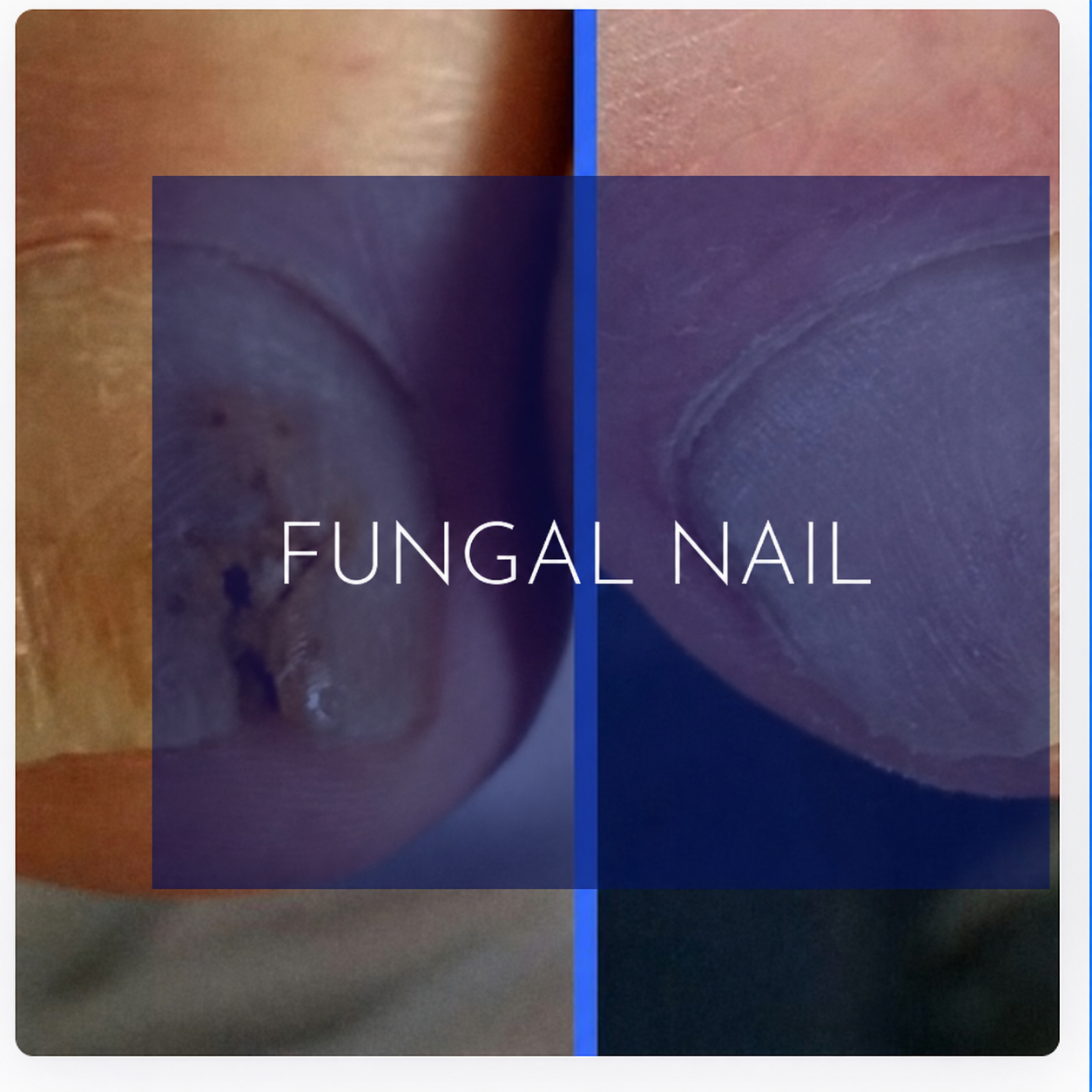
A fungal nail infection (onychomycosis) occurs when fungi invade the nail, causing gradual changes to its appearance and structure.
Common signs include:
Yellow, white or brown discolouration
Thickened nails
Brittle or crumbly nails
Distorted nail shape
Nails lifting from the nail bed
Difficulty cutting the nail
Occasionally discomfort or pain due to nail thickening
Fungal nail infections often develop slowly and can affect one or several nails.
Not Every Thickened Nail Is Fungal
Many people assume a thick or discoloured nail is caused by fungus, but this isn't always the case.
Nail changes can also occur due to:
Previous trauma or injury
Psoriasis
Eczema
Age-related changes
Repeated pressure from footwear
Other medical conditions
This is why a professional assessment is important before deciding on treatment.
Your Assessment
During your appointment, your podiatrist will:
Examine your nails
Discuss your symptoms and medical history
Consider possible causes of the nail changes
Explain whether the nail changes are likely to be fungal
Discuss whether treatment is appropriate
Recommend the most suitable management plan for you
Our priority is to provide clear, honest advice—not everyone requires treatment.
Treatment Options
If your nail changes are caused by a fungal infection, several treatment options may be available.
The best option depends on factors including:
The severity of the infection
How many nails are affected
Your overall health
Any medications you take
Whether the infection is causing pain or is mainly a cosmetic concern
Your personal treatment goals
Treatment options may include:
Professional Nail Reduction
Thickened nails can be safely reduced by your podiatrist. This can improve comfort, make shoes fit better and help topical treatments penetrate the nail more effectively.
Advice & Self-Care
Sometimes the most appropriate option is simply advice.
We'll explain how to:
Care for your nails at home
Reduce the risk of spreading infection
Improve foot hygiene
Reduce the chance of reinfection
If treatment is unlikely to provide significant benefit, we'll discuss this with you honestly.
Topical Antifungal Treatments
For some mild or early fungal nail infections, over-the-counter or pharmacy antifungal treatments may be appropriate.
These treatments require consistent application over several months as healthy nail gradually grows through.
Prescription Oral Medication
For more extensive or persistent fungal nail infections, prescription oral antifungal medication may offer the best chance of improvement.
These medications are not suitable for everyone and require assessment by your GP or another suitably qualified prescriber, who will consider your medical history and whether treatment is appropriate.
If we believe oral medication may benefit you, we'll discuss this and advise you accordingly.
The Lacuna Method
The Lacuna Method is one of the advanced treatment options available at Foot Works Podiatry.
This technique creates tiny micro-channels within the nail plate, allowing topical antifungal products to penetrate more effectively towards the infected area beneath the nail.
The Lacuna Method can be beneficial for selected patients but is not suitable for everyone.
Following your assessment, we'll advise whether this treatment is appropriate for your particular nail condition or whether another option would be more suitable.
What Results Can I Expect?
Fungal nail treatment requires patience.
Toenails grow very slowly, often taking 12 to 18 months to grow out completely.
As healthier nail grows from the base of the nail, you may gradually notice an improvement in its appearance.
Results vary between individuals, and no treatment can guarantee complete clearance of a fungal nail infection. Unfortunately, recurrence is also possible, even after successful treatment.
We'll discuss realistic expectations before any treatment begins.
Who Should Book an Appointment?
We recommend an assessment if you have:
Thickened nails
Discoloured nails
Brittle or crumbling nails
Nails lifting from the nail bed
Painful nails
Nails that are difficult to cut
Nail changes that have persisted for several months
Even if you're unsure whether your nail changes are fungal, we're happy to assess them.
Why Choose Foot Works Podiatry?
At Foot Works Podiatry, we believe every patient deserves honest advice and treatment tailored to their individual needs.
We offer:
✔ Comprehensive nail assessments
✔ Fully qualified HCPC-registered podiatrists
✔ Personalised treatment plans
✔ Advanced treatment options, including the Lacuna Method where appropriate
✔ Clear explanations and realistic expectations
✔ Professional aftercare advice
Our goal is not simply to treat nails, but to help you choose the option that's right for you.
Fees
Fungal Nail Assessment & Treatment
From £55
Your appointment may include:
Assessment of your nail condition
Professional nail reduction where appropriate
Discussion of treatment options
Advice on home care
Treatment where suitable
Personalised aftercare guidance
Any ongoing treatment recommendations and associated costs will always be discussed with you before proceeding.
Book Your Appointment
If you're concerned about changes to your nails, we'd be happy to help.
Whether you need reassurance, professional advice or treatment, we'll explain your options clearly and recommend the approach that's most appropriate for you.
Call us: 07725 885818
Or book online via our website.
We regularly welcome patients from Bangor, Holywood, Newtownards, Donaghadee, Comber and throughout North Down and Northern Ireland.
Frequently Asked Questions
Do all fungal nail infections need treatment?
No. Some fungal nail infections are mild and cause little or no discomfort. In these cases, advice and monitoring may be all that's required. We'll discuss whether treatment is likely to benefit you.
Is the Lacuna Method the best treatment?
The Lacuna Method is one treatment option, but it isn't suitable for every patient. Following your assessment, we'll recommend the treatment that's most appropriate for your individual circumstances.
Can I buy treatment myself?
Yes. Mild fungal nail infections may respond to over-the-counter topical antifungal treatments. We'll advise whether these are likely to be suitable for your particular nail condition.
Will I need tablets?
Not always. Some patients improve with topical treatments and professional nail care, while others with more extensive infections may benefit from prescription oral antifungal medication. If we feel this is appropriate, we'll advise you to discuss this with your GP or another qualified prescriber.
How long does treatment take?
Because toenails grow slowly, improvement can take many months. Consistency with treatment and good foot care are important for achieving the best possible outcome.
Can fungal nail infections come back?
Yes. Even after successful treatment, fungal nail infections can recur. We'll provide advice on reducing the risk of reinfection and keeping your nails as healthy as possible.